The Biohacking your dream hair playbook
- Sunshine & Vanity

- Mar 7
- 9 min read
Updated: May 17
The science behind thicker, fuller, longer, shinier, healthier hair.






For years, the beauty industry treated hair loss and thinning like a surface problem.
Shampoos.
Conditioners.
Temporary treatments.
But the truth is far more interesting.
Your hair ages the same way your skin does — at the cellular level.
Hair follicles are living structures that depend on collagen support, cellular signaling, mitochondrial energy, and antioxidant protection to function properly. When those systems begin to decline, your hair changes too.
Thinning.
Slower growth.
Loss of pigment.
And eventually… gray hair.
Today, a new wave of longevity science is revealing something remarkable:
Many of these biological processes can be supported and optimized.
And one category of molecules leading that conversation is peptides.
Welcome to the hair biohacking era.





The Truth About Hair Aging
Hair doesn’t suddenly thin overnight.
The changes begin quietly inside the follicle.
Over time:
• hair follicles gradually shrink
• the hair growth cycle shortens
• pigment production slows
• oxidative stress increases in the scalp
These changes affect the anagen phase, the active growth stage of the hair cycle.
When this phase shortens, hair grows less thick, less dense, and more slowly.
Eventually, melanocyte activity in the follicle declines, which leads to loss of pigment and gray hair.
But modern research is beginning to reveal that these processes may be influenced by the signaling environment surrounding the follicle.
And that’s where peptides come in.
The Peptide Behind the Hair Biohacking Conversation: GHK-Cu
One of the most fascinating molecules discovered in regenerative biology is GHK-Cu.
GHK-Cu is a naturally occurring copper peptide found in human plasma that plays a role in tissue repair and cellular signaling.
Researchers have studied GHK-Cu extensively for its potential influence on:
• collagen production
• wound healing
• skin regeneration
• hair follicle activity
One reason scientists find this molecule so compelling is that levels of GHK-Cu decline with age.
This decline may contribute to slower tissue repair, reduced collagen support, and changes in hair follicle function.
In laboratory and dermatology research, copper peptides have shown the potential to support:
• hair follicle stimulation
• improved follicle signaling
• healthier scalp environment
• thicker and denser hair growth
Because of this, GHK-Cu has become a major ingredient in next-generation regenerative skincare and hair serums.

The Science Behind Gray Hair
Grey hair is often misunderstood. It’s not just age—it’s a shift in pigment biology.
Hair color comes from melanin, which is produced by pigment cells in the hair follicle. This process depends on enzymes like tyrosinase, which converts the amino acid tyrosine into melanin.
But over time, something else begins to interfere.
Hydrogen peroxide can build up inside the follicle. Yes—the same compound you associate with bleaching.
Your body is designed to neutralize this using an enzyme called catalase. When catalase activity declines, oxidative stress increases, and pigment production becomes less efficient.
This is one of the reasons hair can begin to lose its color.
Hair doesn’t actually “turn grey.” It simply loses pigment.
Melanin production relies on multiple biological pathways, including copper-dependent enzymes like tyrosinase. When copper signaling is under-supported, pigment production becomes less efficient.
Research has explored how copper-binding peptides - GHKCU - may influence pathways involved in pigment biology, including genes such as tyrosinase, TYRP1, and DCT. These genes help regulate the processes that create hair pigment.
When these pathways remain active—and the pigment cells are still present—follicles may retain their ability to produce color.
This is why the conversation is shifting.
It’s no longer just about covering grey hair. It’s about understanding what’s happening inside the follicle—and supporting it accordingly.




Why Hair Follicles Require So Much Cellular Support
Hair follicles are among the most metabolically active tissues in the body.
They require:
• constant cellular repair
• strong mitochondrial energy production
• healthy collagen structures around the follicle
• balanced oxidative stress
Because of this, modern hair strategies increasingly focus on supporting the entire scalp environment, not just the hair shaft.
This is why many people now combine internal strategies with advanced topical treatments.
The Modern Hair Biohacking Strategy
Today’s most advanced hair routines combine several approaches designed to optimize follicle signaling.
These often include:
• peptide-based serums
• scalp microneedling
• red light therapy
• antioxidant support
The goal is to create the optimal environment for follicle activity and growth.
Why Microneedling the Scalp Matters
Microneedling creates controlled micro-channels in the skin that stimulate the body’s natural repair processes.
This process can:
• improve scalp circulation
• stimulate collagen production
• enhance product absorption
Dermatology research suggests microneedling may increase topical absorption by 200–300%, which is why it is often used before applying active serums.
However, one critical mistake people make is buying low-quality dermarollers.
Many inexpensive rollers use poor-quality metals or dull needles that can damage the scalp.
If you’re using a dermaroller, it’s essential to choose one made with real titanium needles, which are more durable, precise, and hygienic.
I’ve linked the two titanium dermaroller's I personally use below.
RED LIGHT FOR THE SCALP
Hair growth is energy-dependent.
Your follicles need consistent cellular energy to stay active, repair, and remain in the growth phase.
Red light therapy is being explored for its ability to support:
* cellular energy production
* scalp circulation
* follicle activity
Light in the red spectrum (around 650nm) can penetrate the scalp and influence the environment your hair grows from
MY FAVORITE DEVICE
My favorite device is the HigherDOSE red light cap
It uses red light therapy to support circulation and deliver energy directly to the scalp, helping create a healthier environment for the follicles.
What I like about it:
* hands-free, easy to stay consistent - literally just throw it on like a baseball cap and forget about it.
* delivers light evenly across the scalp
* simple daily use (about 10 minutes)
You’re not just “using a device”
You’re supporting:
* energy
* circulation
* follicle function
And when the scalp environment improves…
your hair has a reason to respond

My Favorite Science-Backed GHKCU Hair Serum
When it comes to topical support, one of my favorite formulations is the Aurabiom Elixir. There is NO other Serum thats on this level- next generation- as this one. This is a MUST HAVE
This serum is designed for both the face and scalp, making it incredibly versatile.
Aurabiom Elixir includes clinically studied ingredients designed to support:
• scalp skin health
• follicle signaling
• collagen support
• hair growth environment
It’s one of the most elegant formulations I’ve found that aligns with the cellular approach to beauty and longevity. This is the Holy Grail product.
You can explore the Aurabiom Elixir here:
Starting a GHK-Cu Hair Protocol
If your hair isn’t responding, it’s rarely a product problem—
it’s a signal problem.
GHK-Cu is a copper-binding peptide studied for its role in cellular signaling and repair—the systems your follicles rely on for growth, strength, and pigment.
It’s been explored for supporting:
* collagen + structural signaling
* hair follicle activity
* tissue repair pathways
THE SUPPORTING PEPTIDE STACK
GHK-Cu is often paired with other targeted peptides that support the environment your hair grows from:
* BPC-157 → tissue repair + inflammation balance (gut/repair axis)
* CJC-1295 + Ipamorelin → growth-phase signaling + recovery
* Epitalon → cellular aging pathways + longevity signaling
* NAD+ → supports cellular energy + mitochondrial function, helping optimize the environment for hair growth.
Different roles. Same goal:
optimize the internal environment so your hair can actually respond.
Because peptides influence cellular pathways, quality, sourcing, and protocol matter.
If your ready to start peptides and want to customie a routine specific to your goals, I would love to set you up with a free consult . Just pick a time that works for you below:
NEXT-GEN TOPOCAL SYSTEMS
There’s a new category emerging in hair care—not just products, but topical longevity systems.
One of the most talked-about is the OneSkin hair system, built around their proprietary OS-01 peptide.
Instead of focusing only on growth, it’s designed to target cellular aging in the scalp, specifically a process called senescence—where cells stop functioning properly but don’t clear out.
Why this matters:
As senescent cells accumulate, the follicle environment becomes:
* more inflamed
* less regenerative
* less responsive
→ which can show up as thinning, slower growth, and weaker strands
The OS-01 peptide helps reduce this dysfunctional cellular state and support a healthier follicle environment
* improved hair density and thickness
* better growth phase activity
* a healthier scalp microbiome
This isn’t just about stimulating growth
It’s about slowing the aging process of the follicle itself
WHY THIS IS DIFFERENT
Most hair products work on the surface
This category is focused on:
👉 the biology of aging inside the scalp
My Go-To Hair Repair System: Bond-Building Technology
Supporting your scalp and follicles is important, but the hair fiber itself also needs protection and repair.
Hair damage happens at the bond level inside the hair shaft.
Things like:
• heat styling
• chemical processing
• UV exposure
• environmental stress
• tight hairstyles
can weaken the structural bonds that keep hair strong and resilient.
When these bonds break down, hair becomes:
• brittle
• dull
• prone to breakage
• slower to grow long because it snaps before reaching length.
This is why bond-building technology has become one of the most exciting innovations in hair care.

And one system I personally rely on is Monat’s Bond IQ line - it has transformed my hair
and is one of the most advanced systems on the market.
Clinically proven to reverse one year of damage in ONE WASH.
(And yes it works )
You visibally can see the difference each time you use the system as well as feel it.
Implementing SCALP micro-needling & powerful serums, Internal GHKCU + BOND IQ system has transformed my hair in as little as half a year.


After postpartum (2024 & 2025) and constant dying my hair was very thin and I completely changed my hair in 6-7 months using internal GHKCU + the BOND IQ system .
UPDATE
Recently (May 2026) I had a stylist RUIN my hair - she over-processed it with bleach and dyed over it the wrong color (dark instead of blonde) and I left with ruiend hair and then had to do more damage to ifix it.
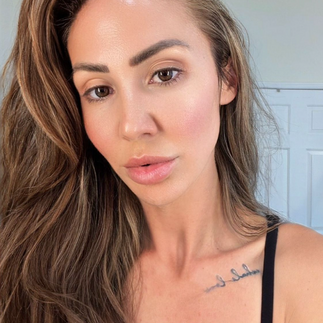
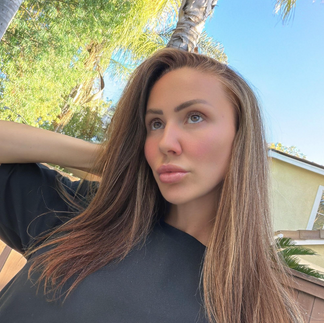
In only 3 washes with the bond IQ system I got my hair back to 10x better and healthier. It truly does heal your hair.

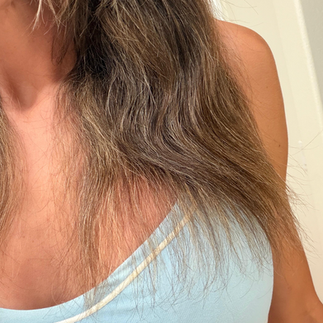




These photos are only 2 weeks apart. The Bond IQ system is a game changer for anyone with over-processed hair or if you regularly dye your hair.




I've also recently discovered this amazing new brand BUR BUR after following a girls hair journey who had been using it and the transofrmation has been INSANE.

I've been using it the past month (rotating days with the Bond IQ line while I'm healing my hair)
I'm using the full Growing Season system for my hair routine, and honestly it's the best system I've ever used. Elevated, botanical, scalp-focused hair care that actually prioritizes long-term hair health ✨
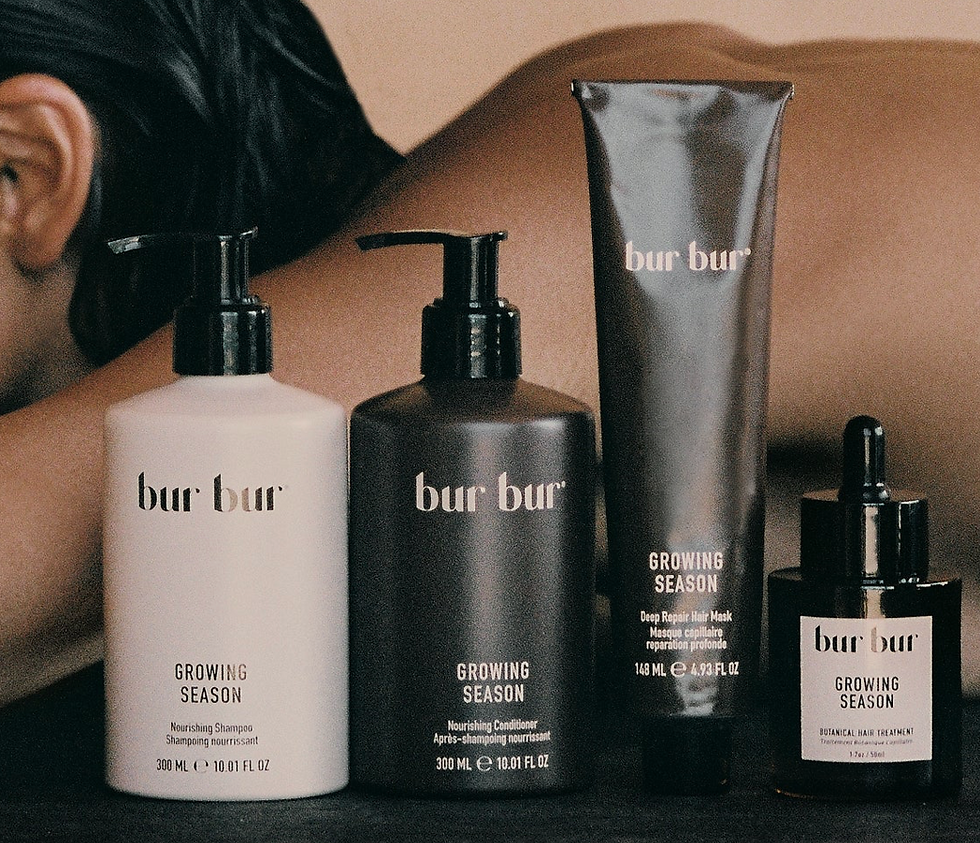
The entire line is rooted in scalp nourishment and strengthening the hair at the foundation instead of relying on harsh ingredients, coating silicones, or temporary fixes. BUR BUR was inspired by a traditional burdock oil recipe and combines those heritage ingredients with more modern hair science.
What I’m currently using:
• Growing Season Nourishing Shampoo
• Growing Season Nourishing Conditioner
• Deep Repair Hair Mask
• Growing Season Hair Oil/Serum
• Mermaid Brush + scalp stimulation
• Dermarolling 2x weekly
The ingredients are a huge part of why I love this line. The formulas feature burdock root, nettle, broccoli seed oil, jojoba oil, argan oil, rice protein, amino acids, bakuchiol, squalane, proteins, restorative butters, and vitamin C. These ingredients are used to help nourish the scalp, support stronger follicles, soften the hair shaft, reduce breakage, improve shine, and support healthier-looking growth over time.
A few standout ingredients:
• Burdock root → traditionally used to support scalp circulation and healthier follicles
• Nettle → rich in minerals and commonly used in scalp-supportive formulas
• Broccoli seed oil → gives that glossy, silicone-like shine naturally
• Rice protein + amino acids → help strengthen weak strands and reduce breakage
• Bakuchiol + vitamin C → support scalp health and help protect against oxidative stress
• Jojoba + squalane → nourish without making the scalp feel heavy or suffocated
The Deep Repair Mask deserves its own moment because it makes the hair feel unbelievably soft, glossy, hydrated, and stronger without weighing it down. It gives that expensive, healthy hair look instead of just coating damaged strands temporarily.
I also genuinely love the Mermaid Brush. It’s made with boar bristles and nylon pins designed to distribute natural oils throughout the hair while gently stimulating the scalp.
That scalp stimulation piece is something I think people underestimate. Gentle brushing, scalp massage, dermarolling, oils, circulation, and reducing breakage all work together. Healthy hair growth is usually about creating the healthiest possible scalp environment consistently over time.
My current routine:
• Oil + scalp massage 1–2x weekly
• Dermarolling before oiling once weekly
• Shampoo twice focusing heavily on scalp cleansing
• Conditioner through mids and ends
• Hair mask weekly
• Mermaid brush daily to stimulate scalp + distribute oils
The overall result is softer hair, less breakage, more shine, healthier ends, and a much more scalp-first approach to hair growth and repair 🤍

Hair aging is not just cosmetic.
It’s biological.
Your follicles are living tissues that depend on cellular energy, collagen support, antioxidant protection, and proper signaling molecules to thrive.
As longevity science continues to evolve, peptides and advanced scalp therapies are opening new conversations about how we support hair health.
We are only beginning to understand the full potential of these discoveries.
But one thing is clear:
The future of beauty is moving deeper than the surface.
It’s moving into the biology of the cell.
Comments